
The Rise of Women's Padel Communities
Two torn ACLs kept former Argentine professional Georgie Rosales off the padel court for 13 years.
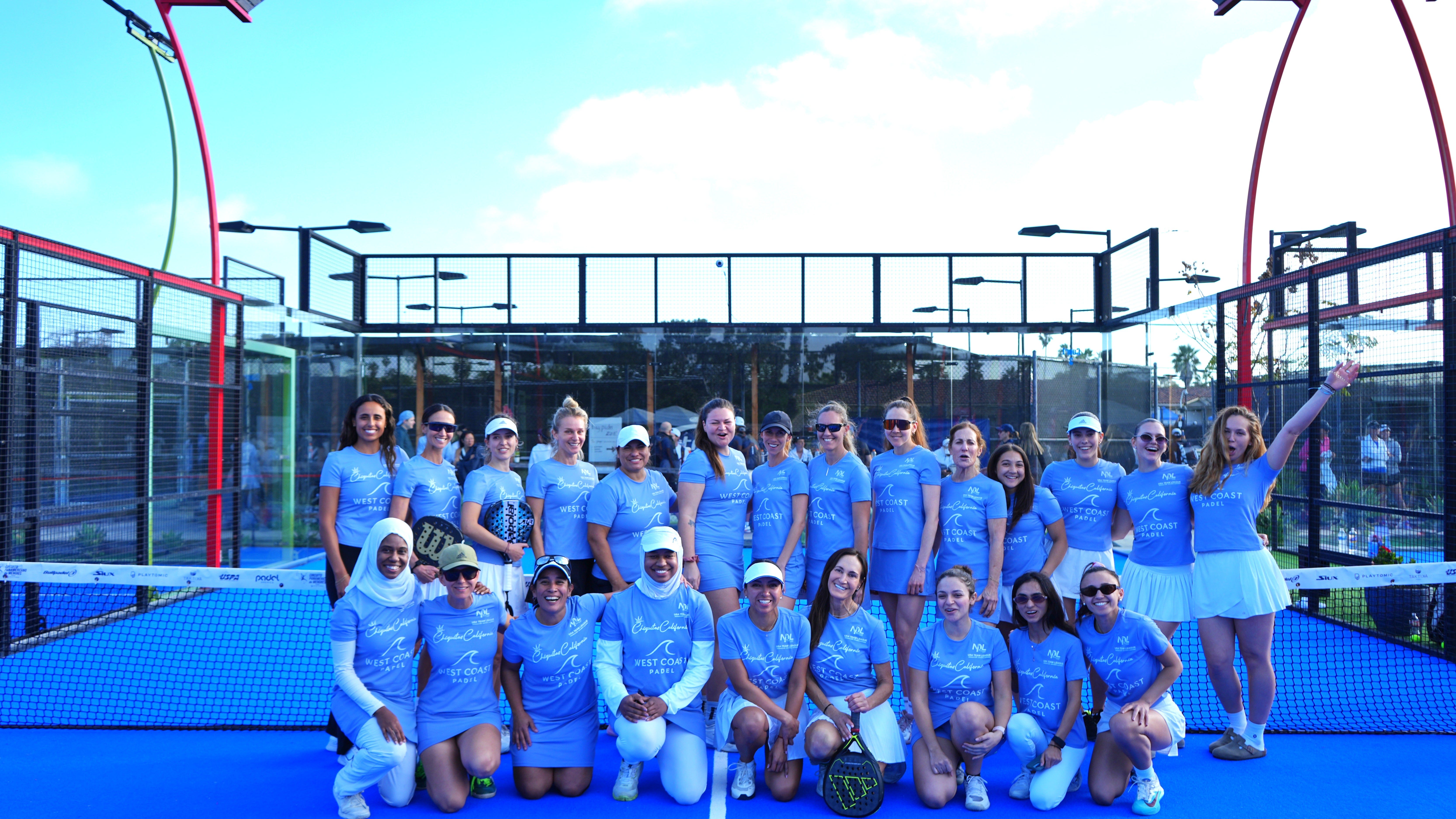
Two torn ACLs kept former Argentine professional Georgie Rosales off the padel court for 13 years. Then Khadeejah Sani invited her to a women’s tournament in Los Angeles.
Rosales bought a pair of padel shoes, borrowed a racket from Sani and played the event with a partner Sani found for her.
The invite to Rosales wasn’t random; it’s what Sani does: connecting women who wanted to play padel.
Sani founded and runs Chiquitas California, the only women’s padel community in Los Angeles. Chiquitas California runs tournaments and clinics throughout Southern California. More importantly, it provides women with an entryway into padel and a community that can help them get the most out of the sport.
Sani, the West Coast rep for the National Padel League (NPL), founded Chiquitas California after starting a similar group in Dubai. When she moved to California in 2024, she was faced with the same two problems she’d helped solve in Dubai. First, women played padel, but there were not enough tournaments for them. Women’s tournaments often got canceled due to lack of entrants.
“In California, the general growth of women’s padel is not at the forefront of clubs’ agendas,” Sani said. “That’s because they believe there are no numbers in women’s padel. I would try to sign up for women’s tournaments here, and I don’t think I’ve ever come across a female tournament director in my three years playing. We need at least three teams for a division under USA Padel rules for it not to get canceled. Usually, there would only be one or two, and we were struggling just to get one more team.”
The second issue was that there were not enough ways for women who lived throughout the area to meet, play and get to know each other. Organizing four people to play, booking courts and figuring out which equipment to use can be intimidating to someone who is just starting out.
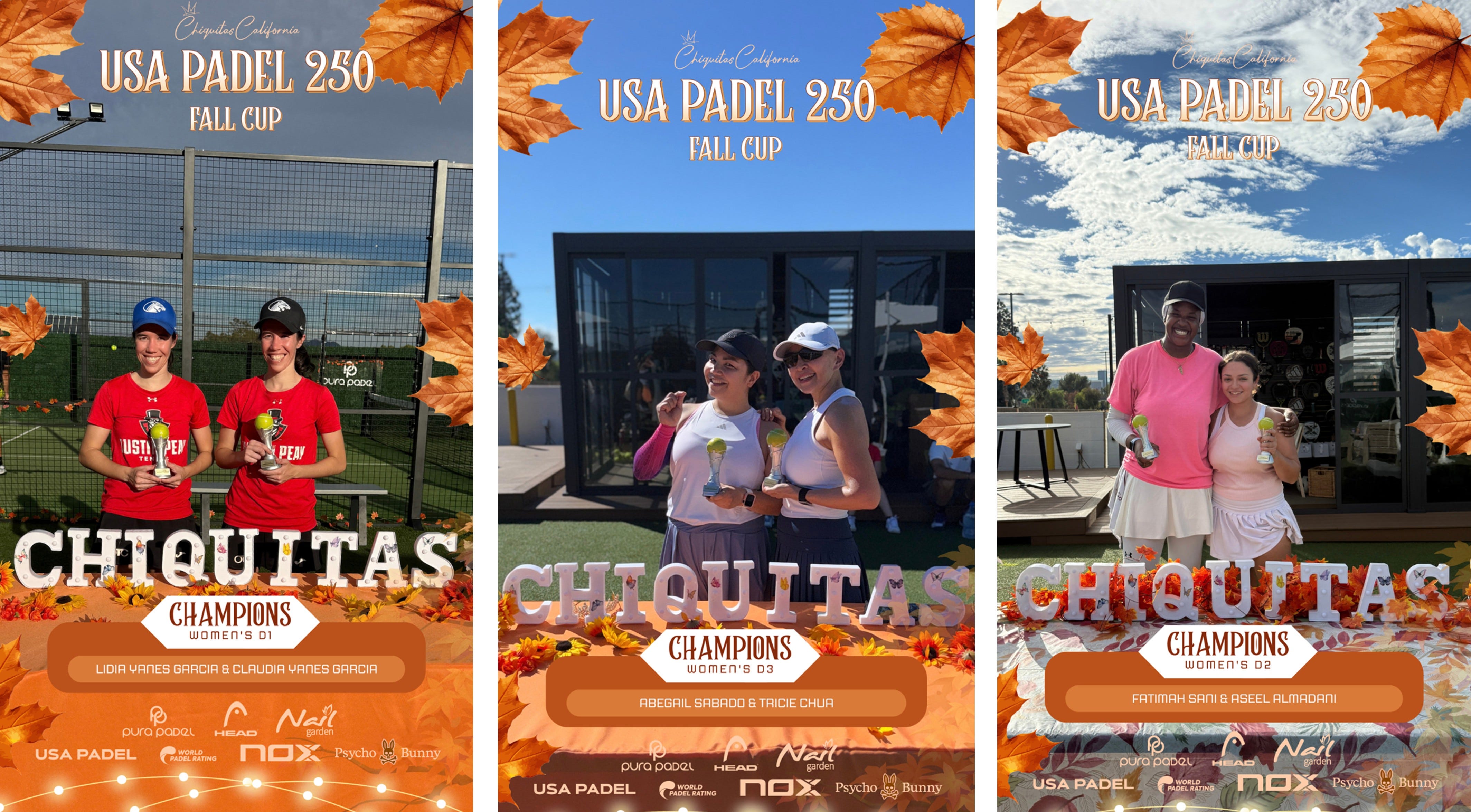
“It can’t just be that a tournament comes about and then you want women to sign up,” Sani says. “There has to be some gradual build toward that. You need women’s programming and you need to organize matches for women. Last week, we started our women’s programming at Pura Padel in Sherman Oaks. We have women’s programs in the form of clinics and open play every Sunday. We also do a monthly social night on Thursdays. Last Thursday was our inaugural social night, a pajama party, and it was a big hit. Women were already asking, ‘When’s the next one?’ Initially, we planned for it to be a once-a-month themed event, but it seems like we’re going to have to make it twice a month.”
Andi Neugarten-Maio faced the same dynamic in Miami that Sani did in Southern California. Like many of us, Neugarten went from “hey, I just played this cool new sport” to “I love this, I want to play all the time.” Unfortunately, even in Miami, the capital of American padel, she had trouble finding women of her level to play with.
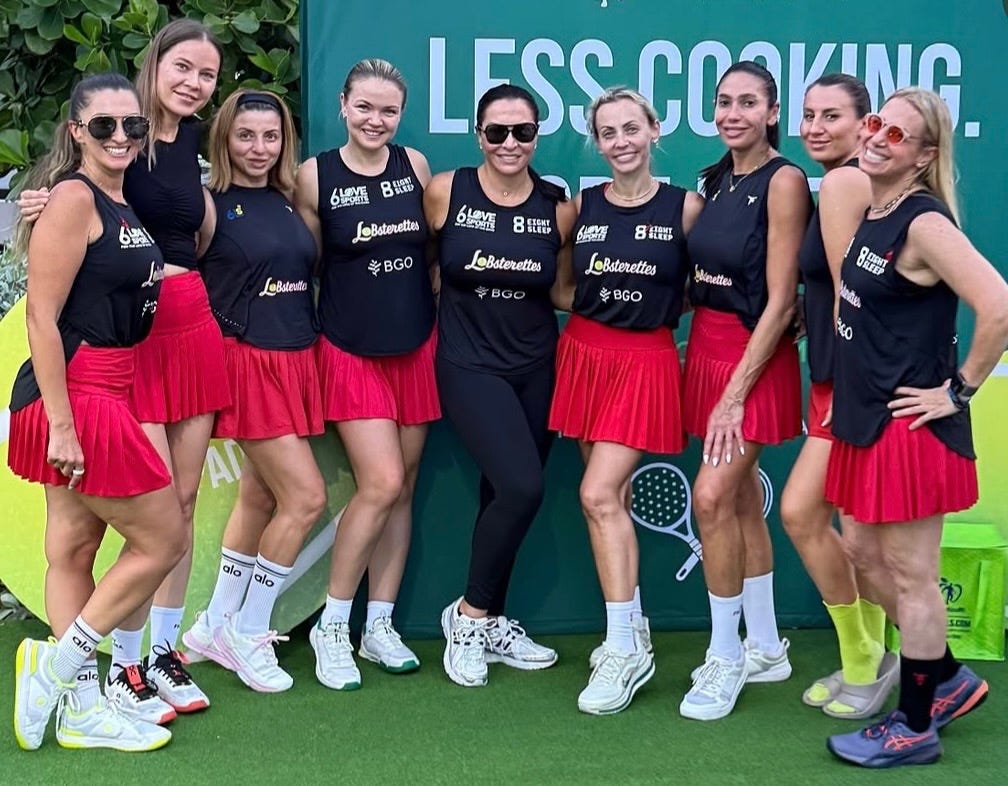
“I was training like crazy, spending an untold fortune on padel, and searching and searching for more women,” Neugarten explained. “I was only playing with guys. There were women that played, but they were all very scattered. And I very quickly realized that if I was having this problem, other women were having a similar problem. So I started creating groups of women for me to play with, and opportunities for these women to get together where they couldn’t resist, and let’s all play padel.”
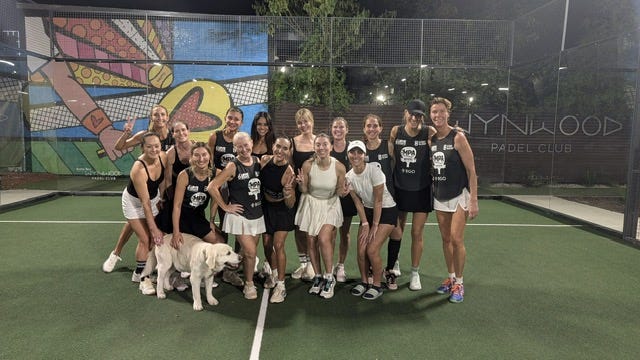
Neugarten-Maio founded6LoveSports, which has spread out from Miami to become the largest women’s padel community in the U.S. It provides women regular, level-based competition and a way to meet and play with new partners. 6LoveSports programming includes networking events for local business owners, community events and tournaments and an Ambassador program that helps participants start women’s communities in their own cities.
“I’m not sure there’s anyone doing more to build and support the women’s game right now,” said Carolyn Hamlet, CEO and founder of ōku Conscious Energy Gummy Snacks. “Andi is a terrific player, but what impresses me most is her ability to build community. She brings people together, creates opportunities for women to play and compete, and is an incredibly generous supporter of others — including ōku.”
Neugarten-Maio told me she’s starting a travel club and is taking a group of 10 women to Madrid this month, on top of everything else she’s got going on.
“I do tournaments, events, brand activations, collaborations, all kinds of stuff everywhere,” Neugarten-Maio said. “It really started because I selfishly wanted more people to play padel with, and access to a better level of female player. I work very closely with Padel X, with Reserve, with Ultra, with Wynwood, all the clubs in the area, and I’ve kind of created this role for myself, which is a community builder, and I bring more women to the sport, and that helps all the clubs in the area.”
Neugarten-Maio partnered with Padel X for her latest 6LoveSports event,The Athena Cup, a 4-day international amateur team competition built around both matches and social activities. The Athena Cup runs October 12-16 at Padel X in Miami with women’s teams representing the United States, Great Britain and Mexico in four age divisions.
“We at Padel X have always been very supportive of what Andi’s doing because, A, we share the same passion and I recognize that, and, B, I believe women’s groups and the women’s population in general are the source and the core of the business in padel clubs,” said Padel X’s Nalle Grinda. “I come from Europe and have seen decades of padel. If you take a snapshot of what a club is in more mature markets like France or Spain—or even Dubai, where I was recently—the backbone of the social life of the club is held by women. It is key to have a thriving and strong women’s community. We will not survive as an ecosystem without the women’s community.”
You can’t talk about women’s padel communities without the name Pep Stonor coming up. Stonor has built her women’s community,Empower Padel, into a real force in the British padel world. Everyone I spoke with for this article mentioned Pep. When I first reached out to her, she was about to fly to Argentina to play in the 2026 FIP Senior World Cup in Buenos Aires.
Empower counts more than 3,500 women as part of its community. This month, Empower Padel and the Lawn Tennis Association (LTA) launched theEmpower Padel Activator Pilot Programme, a nationwide initiative designed to accelerate the growth of women’s and girls’ participation in padel across Britain. Stonor hopes to have 1,000 unique participants, 500 repeat participants and 200 regular monthly players throughout the four-month pilot.
Stonor started running women’s tournaments as a hobby in 2022 because she couldn’t find women to compete with. She launched Empower Padel two years later as a business because she could see that padel was a fantastic sport to help women and girls start, stay in or return to sport. All of Empower Padel’s initiatives drive towards that mission
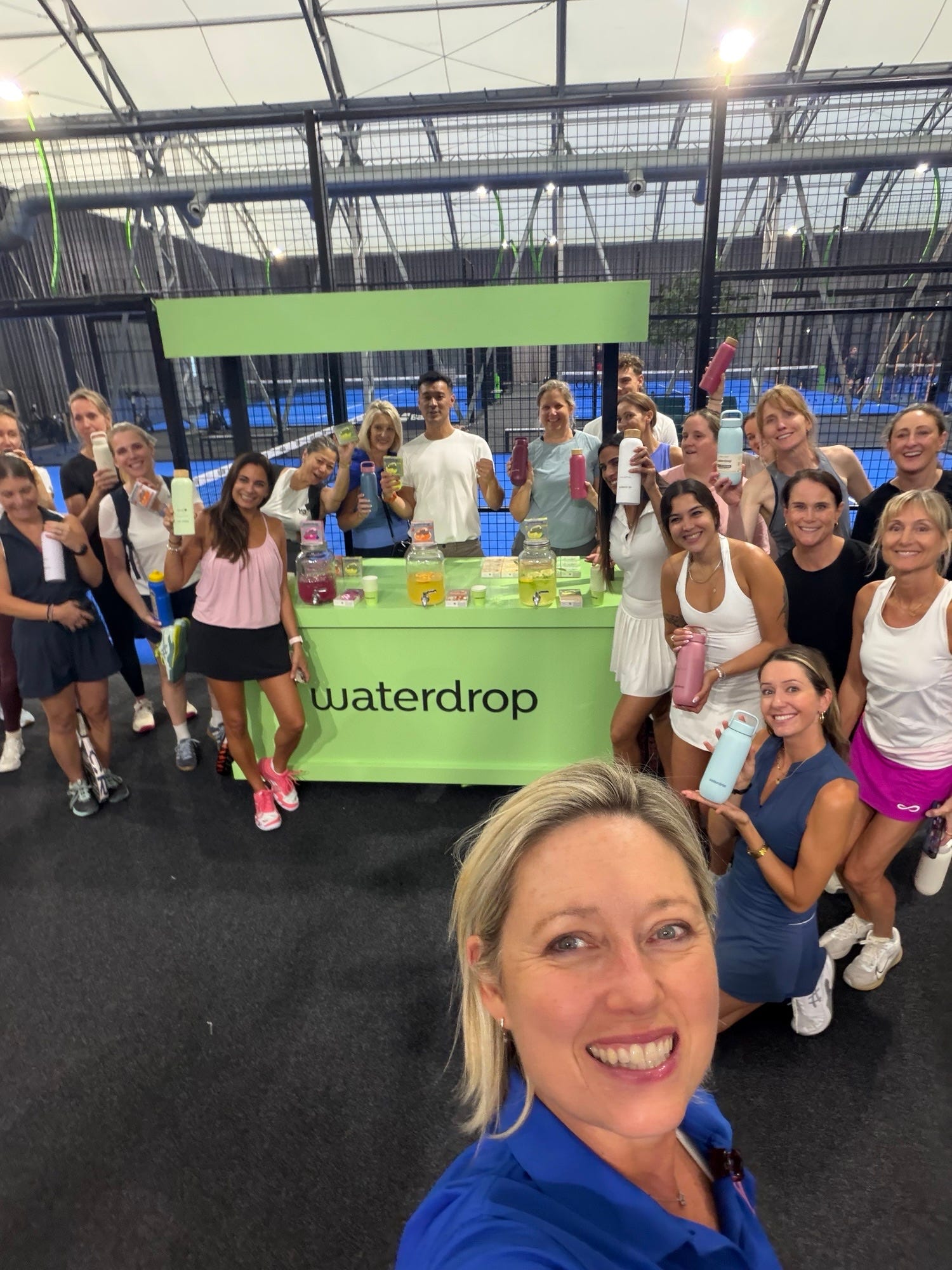
.“I started running women’s competitions for my friends and quickly realised women really loved them and playing in a fun atmosphere with friends. A lot of women feel intimidated walking into a club where everyone seems to know what they are doing. And it is hard for women to start, let alone find a group or three other people to play with regularly when starting the sport. That initial step can be a huge barrier and it is one that Empower Padel aims to address directly.”
For Georgie Rosales, Chiquitas California provided a bridge back into the sport she loved and a springboard for her own efforts to help women play padel in So Cal.
After captaining a Chiquitas California team in the NPL regionals last year, Rosales founded a team of her own, Team LA, composed of women from across the LA metro area regardless of which club they played out of. Team LA won its regional competition this year and reached the national final. Rosales is a prime example of why women’s communities are so vital to the women they serve.
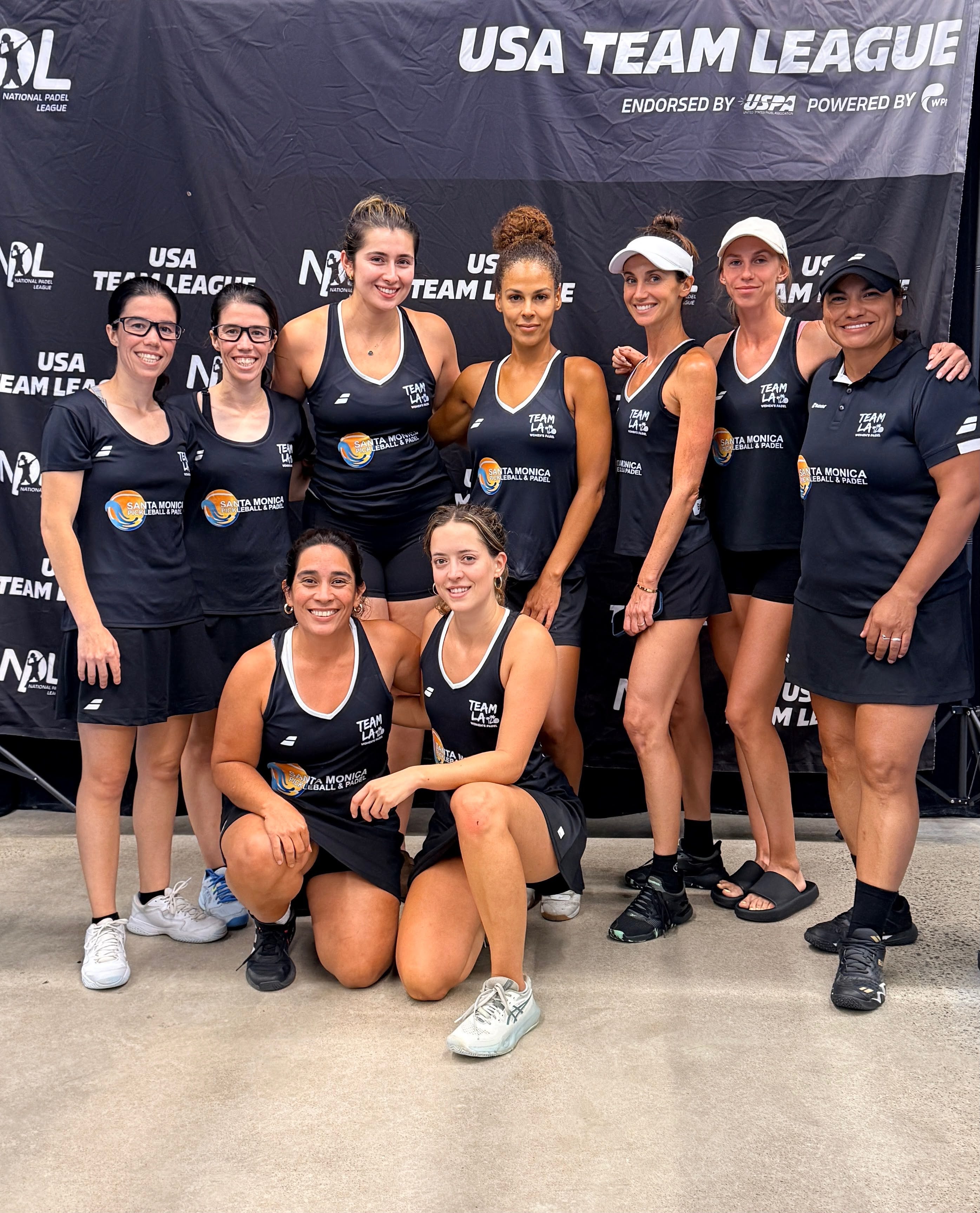
“I got hooked on the National Padel League,” Rosales told me. “I loved the format of having multiple teams playing and representing regions, and then having the opportunity to play at nationals. But I noticed that among the women in the higher divisions, while we had a lot of talent in Los Angeles, everyone was playing separately. One person would say, ‘I’m part of Padel Lab.’ Another would say, ‘I play for Pura Padel,’ or ‘I play for Casa Club.’ They felt that because they played for different clubs, they couldn’t train together. They felt bad joining a team representing another club or a community like Chiquitas. So I said, ‘Let’s find a way to be independent. We are not representing a club or a community. It is us representing the city.’
“That’s how I came up with the Team LA idea. I invited everyone.”
First published on Scott Matulis Padel.
Read it on Substack